1. Introduction to the Guide
This user manual provides a comprehensive overview of Signs and Symbols: An Illustrated Guide to Their Origins and Meanings, published by DK. This book serves as an invaluable resource for understanding the rich visual language that has shaped human communication for millennia.
From ancient hieroglyphs to modern corporate logos, symbols are ubiquitous. This guide will help you navigate the book's content, explore its key themes, and appreciate the depth of information it offers on over 2000 emblems.

Image 1.1: The front cover of the "Signs and Symbols" book, showcasing a variety of historical and cultural symbols.
2. Navigating the Content
The book is structured to facilitate easy exploration of its vast subject matter. It decodes over 2000 emblems, explaining the visual language across various domains.
2.1 Thematic Organization
The content is divided into six thematic sections, allowing readers to delve into specific areas of symbolism. These sections cover topics such as architecture, heraldry, religion, and death, among others.

Billede 2.1: En eksample page demonstrating the book's thematic organization, specifically showing a section on flags.
2.2 Exploring Specific Symbols
Each entry provides insights into the origin, lore, and associations of symbols. For instance, you can learn why Christianity is symbolized by a fish or how the Chinese use the crane bird to signify longevity.

Image 2.2: A spread from the book focusing on symbols related to "The Earth," including concepts like Mother Earth and various landscapes.
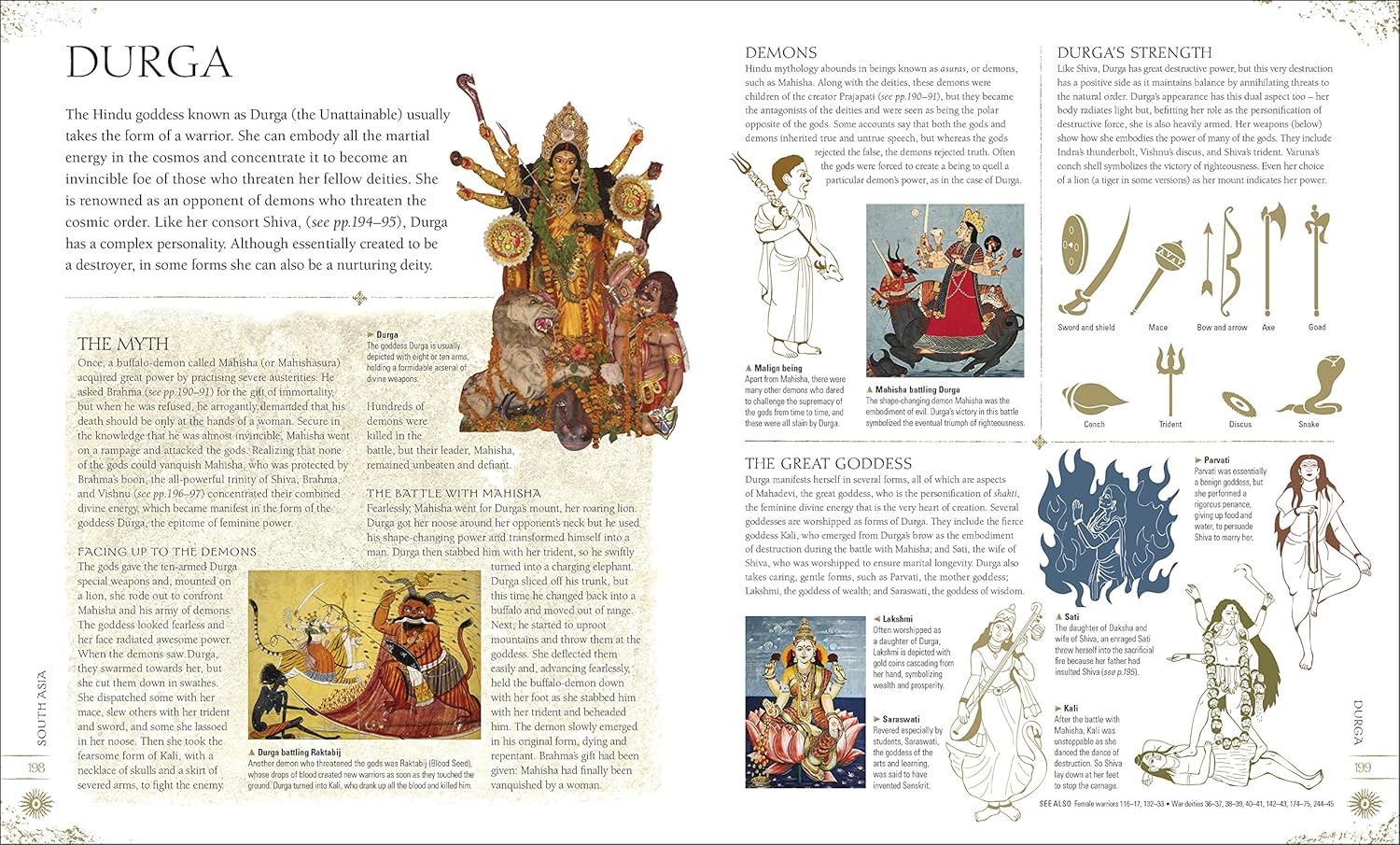
Image 2.3: A detailed page dedicated to the Hindu goddess Durga, explaining her symbolic representation and associated myths.
3. Key Concepts and Visual Language
The book emphasizes the visual language of symbolism, covering a wide array of topics from ancient beliefs to modern interpretations.
3.1 Human Body Symbolism
Discover how the human body has been perceived as a microcosm of the universe and how different parts symbolize various meanings across cultures.

Image 3.1: A book spread illustrating the symbolism associated with the human body, including the skeleton and internal organs.
3.2 Cultural and Historical Contexts
The guide explores how symbols are embedded in various cultural and historical contexts, from Meso- and South American deities to the principles of alchemy.

Image 3.2: A page detailing the rich symbolism of Meso- and South American deities, including Mayan, Aztec, and Inca representations.

Image 3.3: A spread explaining the complex symbolism of alchemy, including elemental symbols and the philosophical concepts behind them.
4. About the Publisher and Authors
This book is a product of DK, a leading illustrated reference publisher, and features contributions from expert authors.
4.1 DK Publishing
DK was founded in London in 1974 and is renowned for its highly visual, photographic nonfiction. They aim to inform, enrich, and entertain readers of all ages with a unique design approach that combines words and pictures to spectacular effect.
4.2 Miranda Bruce-Mitford
Miranda Bruce-Mitford, a key contributor, holds degrees in social anthropology and Burmese language and literature, with an MA in Oriental religious studies. Her expertise enriches the depth and accuracy of the symbolic interpretations within the book.
5. Specifikationer
| Attribut | Detalje |
|---|---|
| Titel | Signs and Symbols: An Illustrated Guide to Their Origins and Meanings |
| Forlægger | DK |
| Udgivelsesdato | 16. juni 2008 |
| Sprog | engelsk |
| Print Længde | 352 sider |
| ISBN-10 | 0756633931 |
| ISBN-13 | 978-0756633936 |
| Varens vægt | 2.61 pund |
| Dimensioner | 7.75 x 1.2 x 9.19 tommer |
6. Pleje og håndtering
To ensure the longevity and preservation of your Tegn og Symboler book, please follow these general care guidelines:
- Opbevaring: Store the book in a cool, dry place away from direct sunlight and extreme temperatures to prevent fading, warping, or mold growth.
- Håndtering: Handle the book with clean, dry hands. Avoid bending the spine excessively or forcing the book open flat, which can damage the binding.
- Rensning: For dust, gently wipe the cover with a soft, dry cloth. Avoid using liquid cleaners or abrasive materials.
- Beskyttelse: Consider using a slipcover or storing the book upright on a shelf to protect its cover and pages from wear and tear.
7. Further Resources and Support
For additional information or inquiries regarding Tegn og Symboler or other DK publications, please refer to the following:
- Forlægger Webwebsted: Visit the official DK website for updates, new releases, and contact information.
- Relaterede titler: Explore other illustrated guides by DK on topics such as mythology, history, and art, which complement the themes in this book.
- Kundesupport: For specific questions about your copy or content, please contact DK customer service through their official channels.
The book itself contains a "Further Reading" section, as noted in reviews, which can guide you to more in-depth studies on specific symbols and topics.