Introduktion til guiden
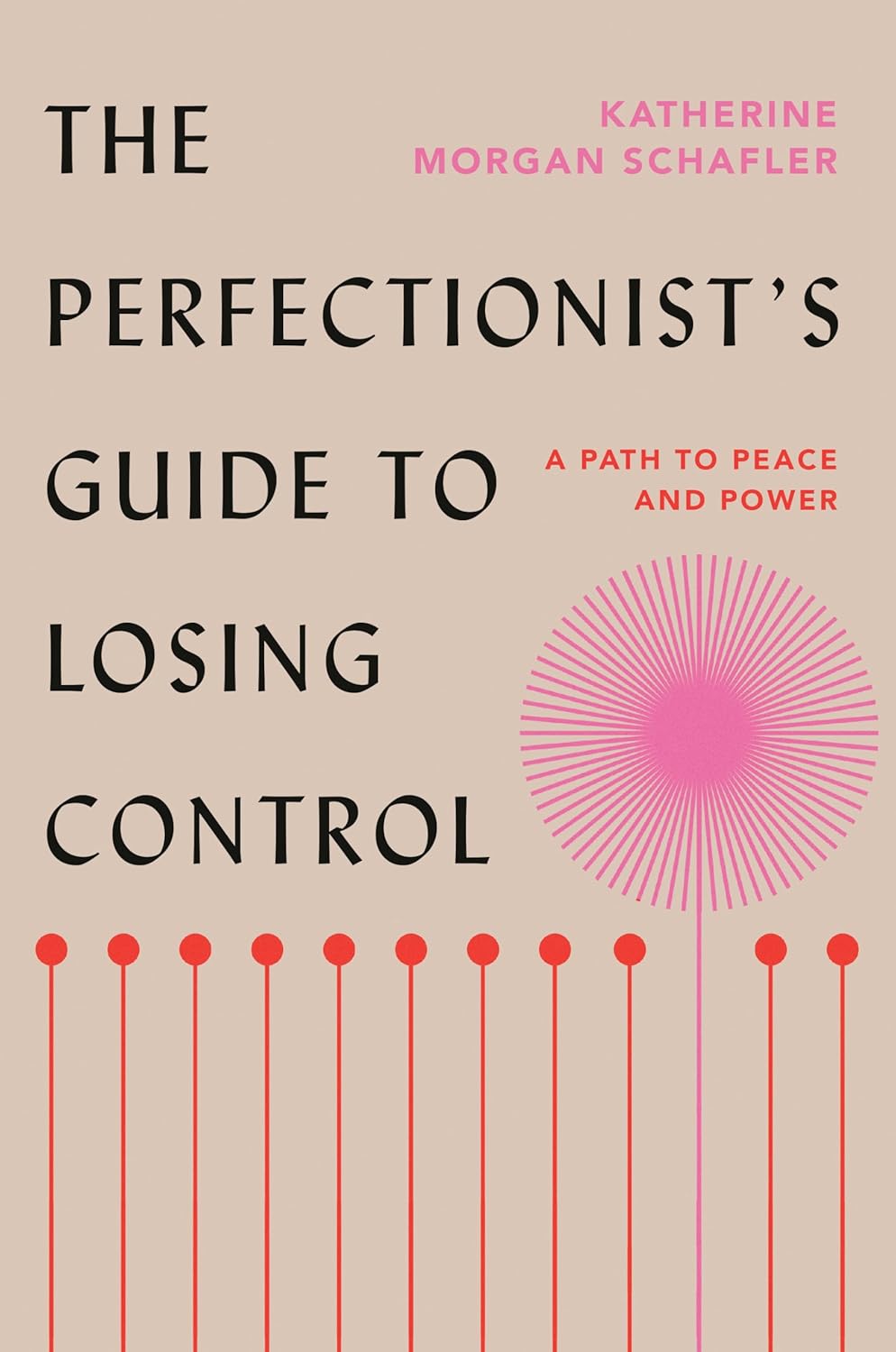
The cover of the book features the title "The Perfectionist's Guide to Losing Control" in prominent black lettering on a light beige background. Below the title, the author's name, Katherine Morgan Schafler, is displayed in pink. The design includes abstract pink and red circular and linear elements, symbolizing the themes of control and release discussed within the book.
Denne guide giver en overview of The Perfectionist's Guide to Losing Control, a book by psychotherapist Katherine Morgan Schafler. It challenges conventional views on perfectionism, offering a new perspective for individuals, particularly women, who seek to navigate their high-achieving tendencies in a healthy way. The book aims to help readers understand their unique perfectionist profile and transform this trait into a source of strength and empowerment.
It moves beyond the common advice of "finding balance" and instead encourages embracing and even enjoying one's perfectionism, shifting from superficial control to genuine personal power.
Understanding Perfectionism: The Five Types
The book introduces five distinct types of perfectionists, helping readers identify their own profile and learn how to manage their specific tendencies. This understanding is crucial for transforming perfectionism from a potential hindrance into a powerful asset.
- Classic Perfectionist: Characterized by a strong desire for order, structure, and high standards. They are highly disciplined and present themselves in a uniform, crisp manner.
- Intense Perfectionist: (Details not explicitly provided in excerpt, but implied as a distinct type.)
- Parisian Perfectionist: Tends to project an air of effortless perfection while secretly seeking external validation and approval.
- Messy Perfectionist: Struggles with organization and decision-making due to an overwhelming desire for everything to be perfect, leading to multiple unfinished projects or ideas.
- Procrastinator Perfectionist: Delays tasks due to the fear of not being able to achieve perfect results, often leading to missed deadlines or incomplete work.
By recognizing these types, readers can develop tailored strategies to work with their perfectionism rather than against it.
Key Concepts and Application
Setup: Preparing to Engage with the Book
To gain the most from this guide, approach it with an open mind, ready to challenge preconceived notions about perfectionism. Reflect on your own experiences and tendencies as you read, considering which perfectionist type resonates most with you. The book encourages self-awareness as the first step towards transformation.
Operating: Applying the Principles
The core "operation" of this book involves recognizing the impulse to perfect and consciously responding to it. Instead of unconsciously reacting, readers are guided to:
- Identify the difference between an ideal and reality.
- Strive for personal accountability.
- Shift from a mindset of "needing something to be different" to embracing the present.
- Harness the inherent energy of perfectionism as a strength.
The book provides stories and insights to illustrate these concepts, making them relatable and actionable.
Maintenance: Reinforcing Learning
Regularly revisit the concepts and exercises presented in the book. Self-reflection and journaling can help solidify your understanding of your perfectionist patterns and track your progress in managing them. Engaging with the material over time allows for deeper integration of its teachings into your daily life.
Troubleshooting: Addressing Challenges
Readers may encounter resistance when trying to change long-standing perfectionist habits. Common challenges include:
- Difficulty with Spontaneity: Classic perfectionists may find schedule changes or unplanned events stressful. The book encourages small steps towards flexibility.
- Perceived Lack of Vulnerability: Some perfectionist types may struggle with interpersonal connection due to a guarded demeanor. The guide suggests that true strength lies in embracing vulnerability.
- Fear of Imperfection: Overcoming the fear of not being "good enough" is central. The book reframes this fear as an opportunity for growth and genuine power.
If you find yourself reverting to old patterns, re-read relevant sections and remind yourself of the long-term benefits of shifting your perspective on perfectionism.
Produktspecifikationer
| Titel | The Perfectionist's Guide to Losing Control: A Path to Peace and Power |
| Forfatter | Katherine Morgan Schafler |
| Forlægger | Portefølje |
| Udgivelsesdato | 17. januar 2023 |
| Sprog | engelsk |
| Print Længde | 352 sider |
| ISBN-10 | 059332952X |
| ISBN-13 | 978-0593329528 |
| Varens vægt | 1.2 pund |
| Dimensioner | 6.3 x 1.2 x 9.3 tommer |
Yderligere ressourcer og support
For further engagement with the concepts presented in this book, consider the following:
- Forfatterens Webwebsted: Explore Katherine Morgan Schafler's official website for additional insights, articles, and resources related to perfectionism and personal growth.
- Relaterede værker: The book references other influential thinkers and works; exploring these can deepen your understanding of the subject matter.
- Samfundsengagement: Discuss the book's themes with others in book clubs or online forums to gain diverse perspectives and reinforce your learning.
While this book does not come with a traditional warranty, its value lies in the transformative insights it offers. Continued engagement with its principles is key to realizing its full potential.


